About Jim Corbett

Jim Corbett National Reserve

Honored with the title of a national park in 1936, Jim Corbett – The Famous Abode of the Tigers is Asia’s very first national park. However, the conservation of this land started way back in 1868, as it was the time when the British Forest Department excluded agricultural activities and operation of cattle stations here.

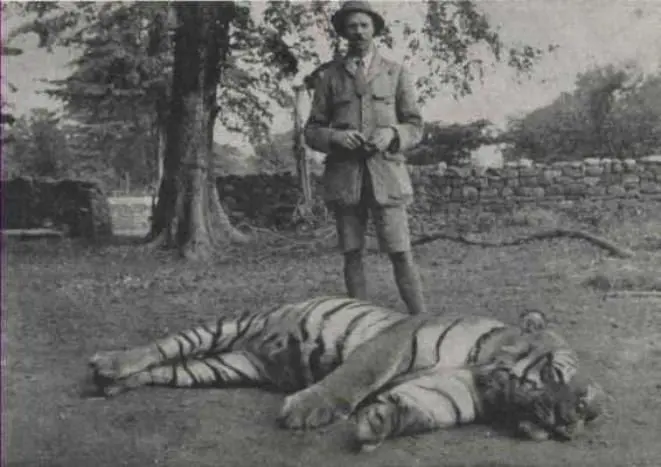
Since then, there has been no looking back. Initially, this park was named after Sir Malcolm Hailey, the Governor of United Provinces, and thus, was popularly known as ‘Hailey National Park’. The saga doesn’t end here; within a short span of time, it was again renamed as ‘Jim Corbett National Park’ to honor Edward James Jim Corbett—the man who contributed a lot to the establishment of the park.

The conservation thus started, always saw an upward graph. In 1973, Corbett National Park stood as the first Tiger Reserve under Project Tiger – an initiative to protect the big striped cats.

History

19th Century

Foundations and Colonial Governance

1860s
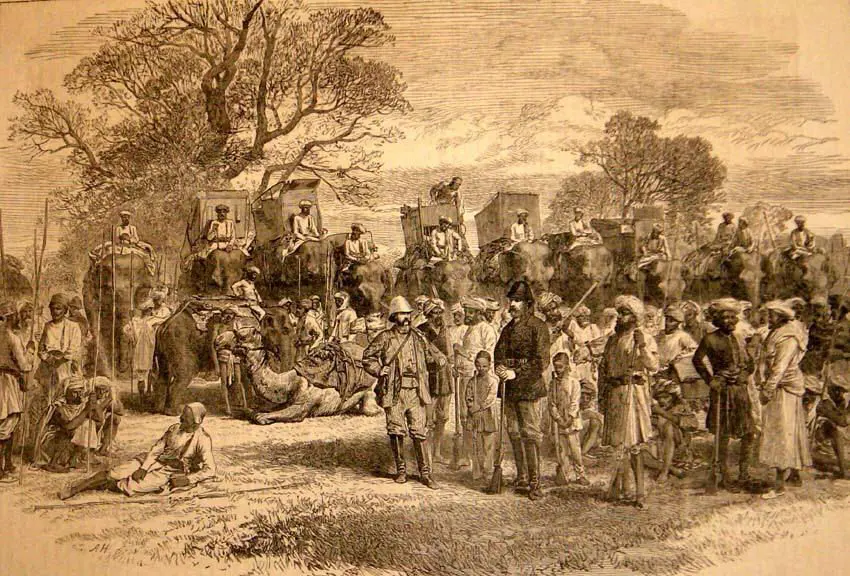
The Buksas, a tribe from the Terai region, initially settled on the land and began farming. However, they were evicted following the advent of British colonial rule in India.
Major Ramsay, a British Officer responsible for the area, establishes control over the land to protect it. He bans cultivation and the establishment of cattle stations to conserve the natural habitat.

1879
The forests are constituted into a reserve forest where restricted felling of trees is permitted. This is one of the earliest conservation efforts in the area.

1900 - 1930s

The Road to Conservation: Early Proposals and Boundaries

Early 1900s
Several British conservationists, including E. R. Stevans and E. A. Smythies, propose the creation of a National Park on the land.

1907
The British colonial administration gives serious consideration to the idea of creating a game reserve in the area.

1930s
The demarcation process for the national park gets underway. This involves mapping and setting boundaries for the park.

1936
1. Established through a special Act, making it mainland Asia’s first National Park.
2. Originally named Hailey’s National Park to honor Sir Malcom Hailey, the Governor General of United Provinces at the time.
3. The initial area of the park is 323.75 sq.km.
4. Hunting is strictly prohibited, and only timber cutting for domestic purposes is allowed.
5. Framing of rules prohibiting the killing and capturing of mammals, reptiles, and birds within the park’s boundaries.

(Second World War)
The park suffers from excessive poaching and illegal timber cutting, largely due to the chaos and resource needs of World War II.

1954 - 74

Transformation and Renaming: The Legacy of Jim Corbett

1954-1955
The park is renamed Ramganga National Park.

1956
After the death of famous hunter turned conservationist Jim Corbett, the park is renamed in his honor as Corbett National Park.

1966
The area of the park is expanded to 520.82 sq.km, incorporating more forest areas.

1972
The Indian Wildlife Protection Act is enacted, providing a legal framework towards the protection of wildlife and their habitats.

April 1, 1973
Corbett National Park becomes the launch site for “Project Tiger,” a significant conservation project aimed at protecting tigers in India.

1974
The park is chosen as the location for launching the Project Tiger wildlife conservation initiative.

1990 - 2010

Expansions and Modern Conservation Efforts

1991
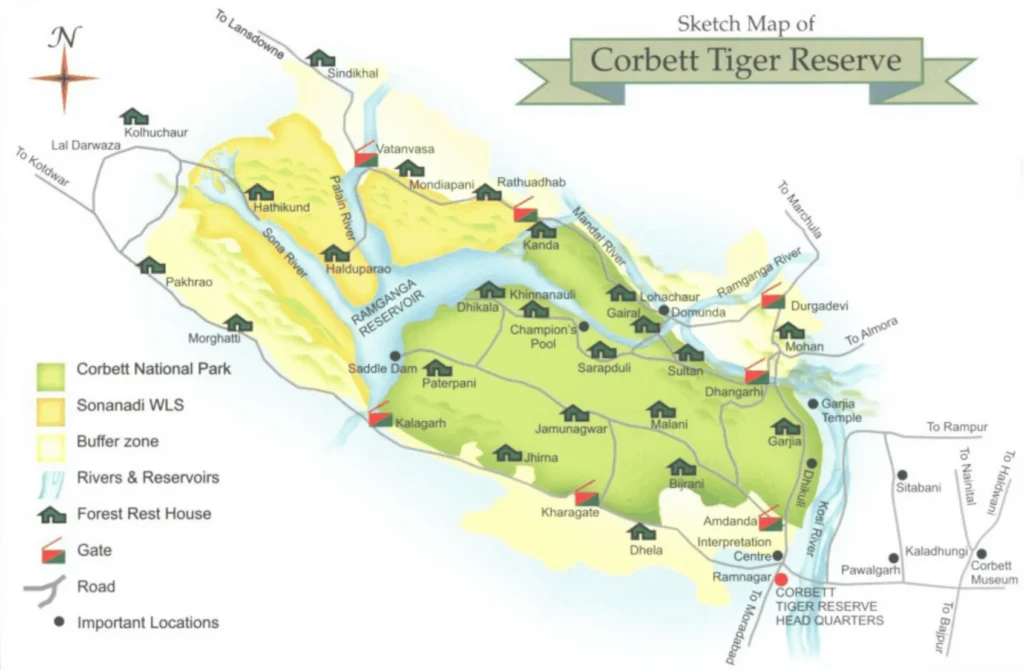
An additional 797.72 sq.km is added as a buffer zone to Corbett Tiger Reserve, which includes the301.18 sq.km area of Sonanadi Wildlife Sanctuary.
The park and surrounding areas are collectively referred to as the Corbett Tiger Reserve.

February 26, 2010
The Government of Uttarakhand, following recommendations from the National Tiger Conservation Authority (NTCA), officially designates the area as Corbett Tiger Reserve.
The total area is now 1288.31 sq.km, with 821 sq.km designated as the core-critical area and the remaining designated as the buffer zone.

Today

Current Status and Global Importance

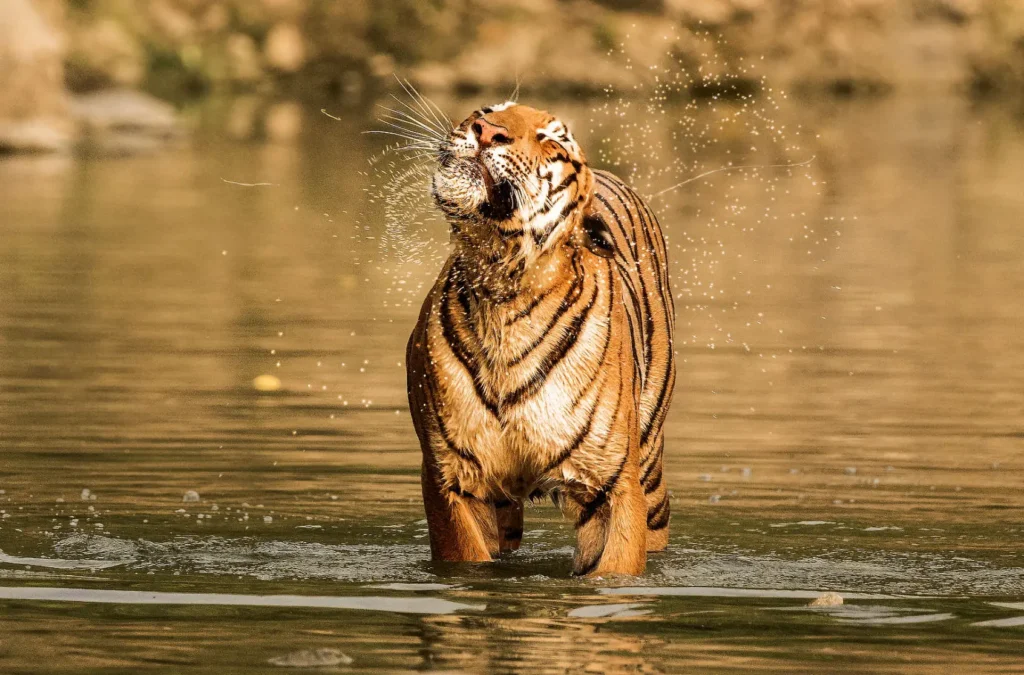
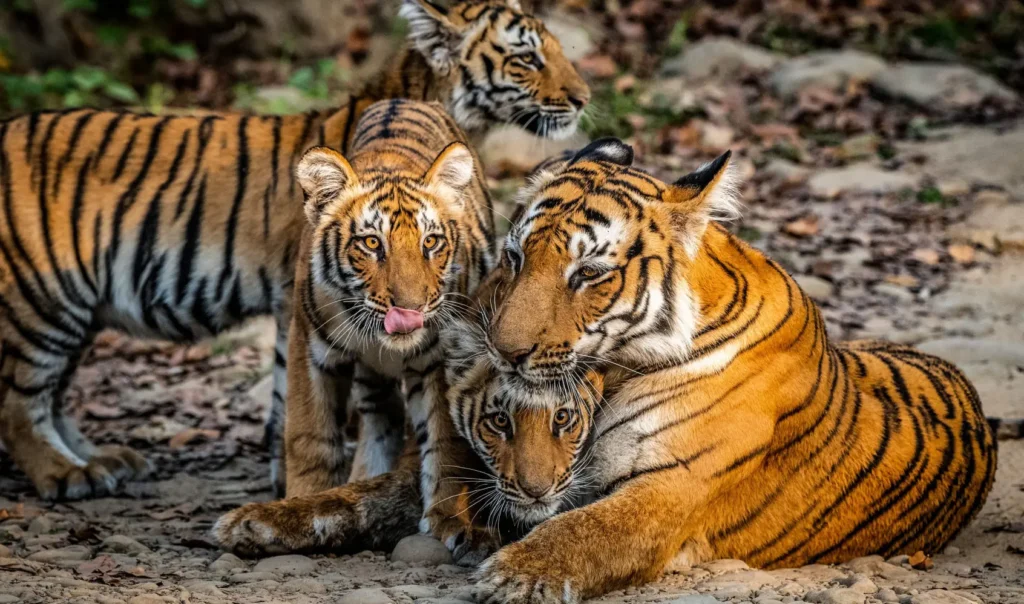
Corbett Tiger Reserve has the highest density of tigers in the world, making it a crucial location for the survival and growth of this endangered species.

It has received various awards and recognitions for its successful conservation practices, including accolades from international wildlife and conservation bodies.

It is part of the World Wide Fund For Nature’s Terai Arc Landscape Program, aimed at protecting flagship species like the tiger, the Asian elephant, and the great one-horned rhinoceros.